Category: Food Safety

  • World Food Safety Day

    The first ever World Food Safety Day was celebrated on June 7, 2019. The purpose of marking this international day was to draw attention to food safety issues and prevention of food-borne illnesses. It was meant to bring the food safety professional community, the industry, the government and consumers all together as a reminder on the importance of food safety.

    As a food safety professional, my thoughts on world food safety day are quite strong, emotional and comes from a good place in me. This is because I am not sure if the concept of food safety is as well understood by consumers. Clearly there is an entire professional community, industry and section of the government working to ensure that the food that reaches consumers is safe. But, consumers’ understanding of food safety remains a challenge. And that is a problem, because food safety is everyone’s business.

    I say this from personal experience. Very often, when I explain little things to my family and friends that could make food preparation or consumption unsafe, I get brushed off as paranoid. This is a personal challenge for me as a food safety professional because I can do my daily job to contribute to the safety of the food supply chain, but if I can’t protect my family and friends, it is a problem.

    Educating people about food safety is something I take very seriously, no matter how many times I get brushed off. Yes, science may not be of interest of everyone, but there are lot of things that only science can explain. Food-borne illness is one of them. Every time you get a stomach infection and you wonder why, it is because of a food item that was prepared or consumed in an unsafe manner. And that can be explained by the growth of micro-organisms in the food that made you sick.

    So, today, on world food safety day, I would like to share to share some of the practices that I follow everyday and strongly encourage everyone to follow. Knowledge is prevention and prevention is better than reaction.

    Shopping
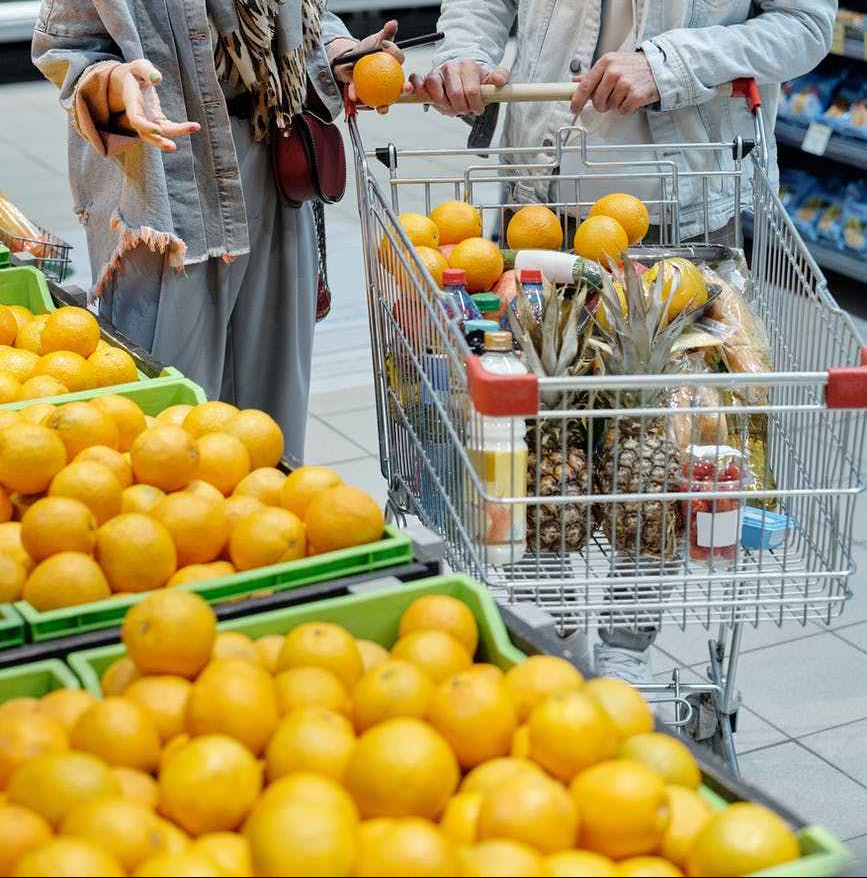


    • When shopping, use separate bags for fruits and vegetables, especially meat/poultry. This will help avoid cross-contamination in the cart, during checkout and even during storage in your refrigerator
    • Have a cooler with ice packs in your car, especially for hot days. This will ensure that fruits, vegetables and meat/poultry will be stored at safe temperatures on your way home from the grocery store
    • If purchasing pre-cut fruits, vegetables, salads etc. make sure they are placed in the refrigerated isle and/or on ice

    Cleaning
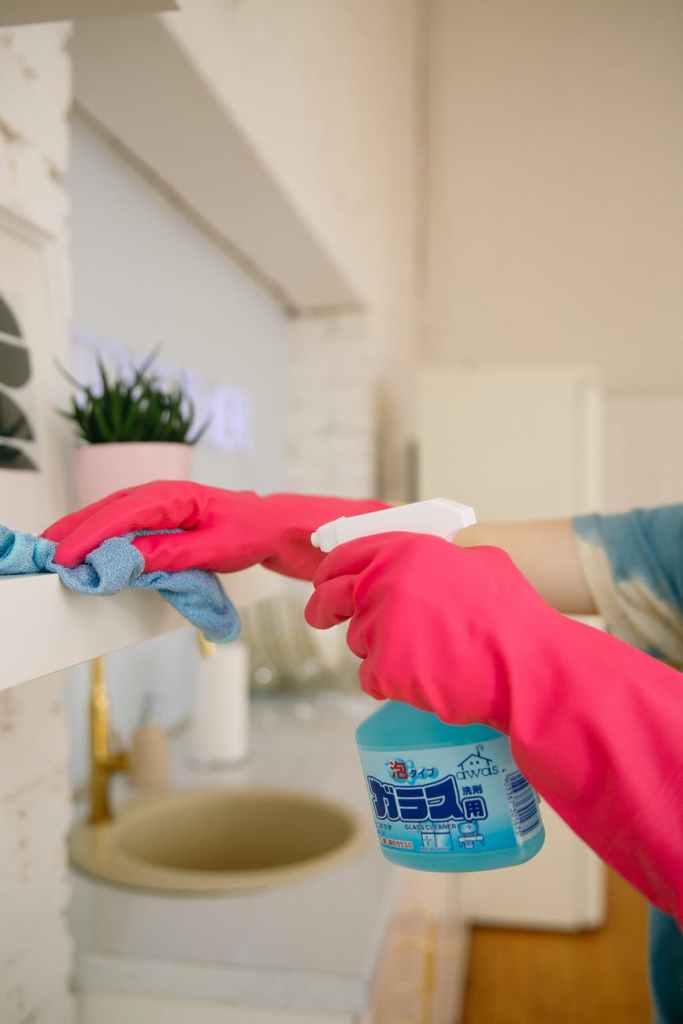


    • Clean (and dry) chopping boards and knives after each use. Disinfect chopping boards at least once a week
      • Disinfection tips:
        • To disinfect wooden chopping boards, sprinkle a generous amount of Kosher Salt on the board. Take half a lemon, squeeze the juice, and use the rind of the lemon to rub the board with the salt and lemon juice mixture. Rinse and dry. This will leave your chopping board smelling fresh
        • While both the above ingredients have anti-microbial properties, they may not be strong enough. An unscented bleach (about 1 tbsp) can also be used to disinfect the wooden chopping board (after washing it with soap and hot water)
        • Vinegar is another well-known household disinfectant that is natural and effective at disinfecting surfaces
    • Wash, wash, wash your hands with soap and water before beginning meal prep. This is the most obvious and easiest step, yet the most forgotten or taken lightly. Also remember to wash your hands after handling raw meat/poultry before handling any fruits, vegetables or cooked food
    • Clean fruits and vegetables under running water prior to use. DO NOT use bleach or soap to clean the fruits and vegetables. Soap and bleach are not intended for ingestion
      • Cleaning tip:
        • To wash leafy greens, separate the leafs from the stems and place the leafs in a pot of cold water for 5 minutes. This will allow dirt and particles to settle to the bottom of the pot
        • Discard the water and re-rinse the leafs under running water for 1-2 minutes to allow any stuck on dirt to wash off. For leaves with crevices, scrub the surface of the leaves to remove any hidden dirt

    Storage


    • Store fruits, vegetables and raw/meat and poultry separately
    • Store raw meat/poultry in a bag/wrap on the bottom shelf of the refrigerator
    • Store cooked food away from raw products
    • For safe storage, the temperature of the refrigerator should be at or below 40F (Refrigeration slows bacterial growth)

    Cooking
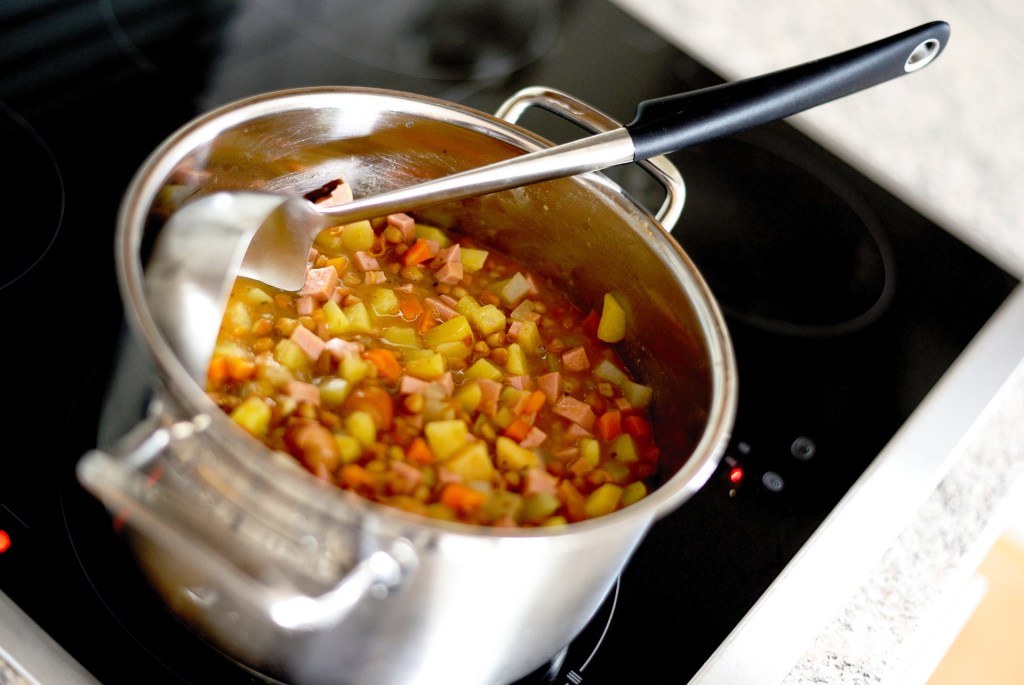


    • Cook meat and poultry thoroughly. Use a temperature gauge to ensure the food has reached a safe internal temperature
      • A safe internal temperature is the temperature at which harmful bacteria will be inactivated so that they cannot grow or multiply. A useful chart on safe internal temperatures published by the United States government can be found here
    • Marinades or sauces that are used on raw meat/poultry should not be used on cooked food
    • For summertime grilling, when picking up grilled meat off the barbecue, don’t place it on the same plate that held the raw meat (unless it has been washed)
    • When preparing to bake a cookie or a cake, do not taste the raw dough or batter. While it may be tempting to do so, there may be bacteria lurking in the raw eggs or flour in the dough and batter that can you sick

    If you are wondering why it is important to follow the above practices, it is because you cannot see, taste or smell bacteria that cause foodborne illnesses. Furthermore, foodborne illnesses can also occur due to the development of toxins from mold and bacteria in foods, which is also not easy to detect.

    As a food safety professional, I can tell you that there are several people who work day and night to ensure that the food that reaches consumers is safe. But, it is also the consumer’s responsibility to learn to recognize hazards and follow appropriate measures to mitigate the risk of foodborne illnesses. I encourage you to be mindful of food safety. I urge you to educate your little ones about the steps necessary to eat safe and healthy food and I request you to pass on the message to your family and friends. Let’s build a food safety culture together.


    If you have questions or comments on any topic related to food safety, do share them below.
  • Sprouts & Food Safety


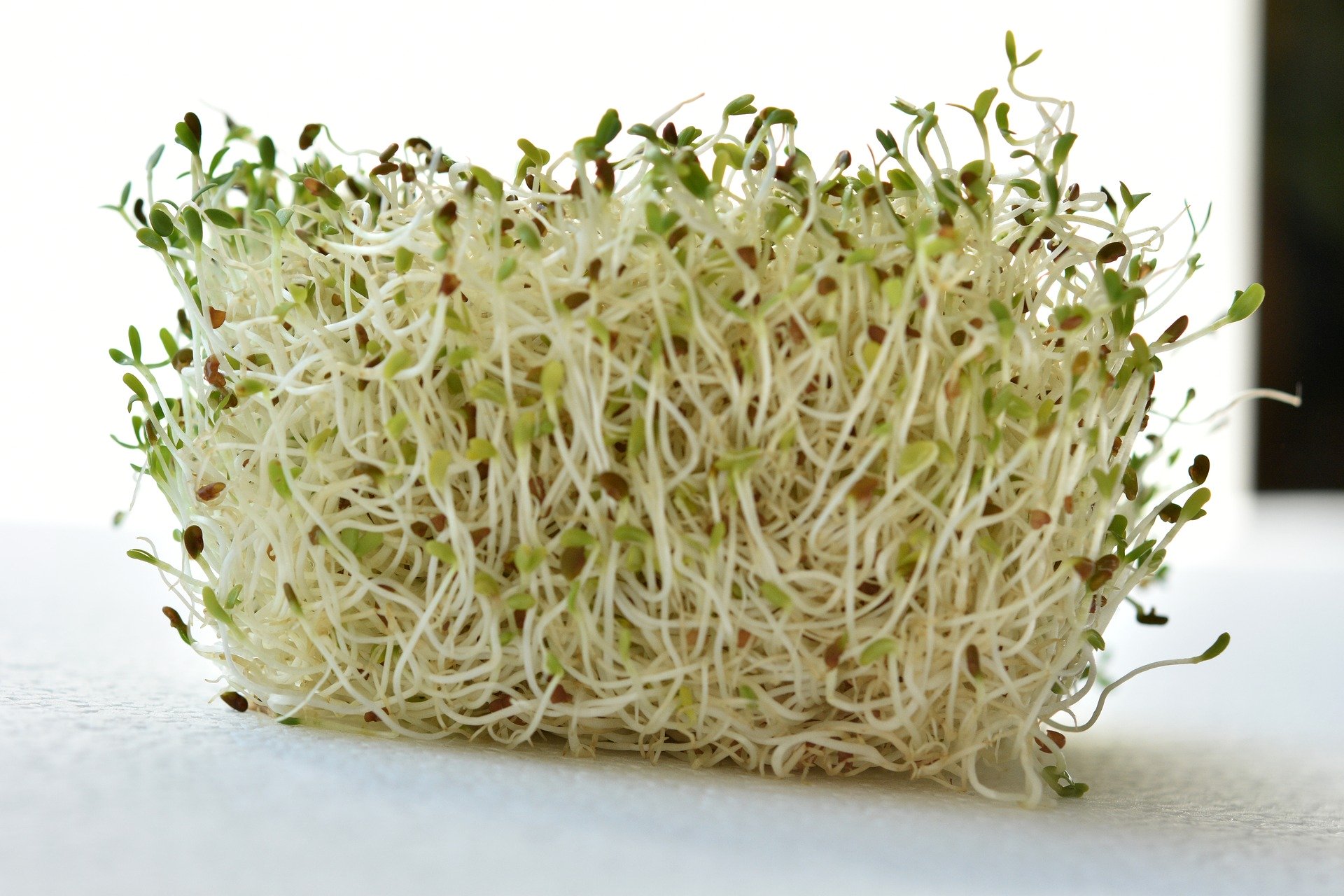
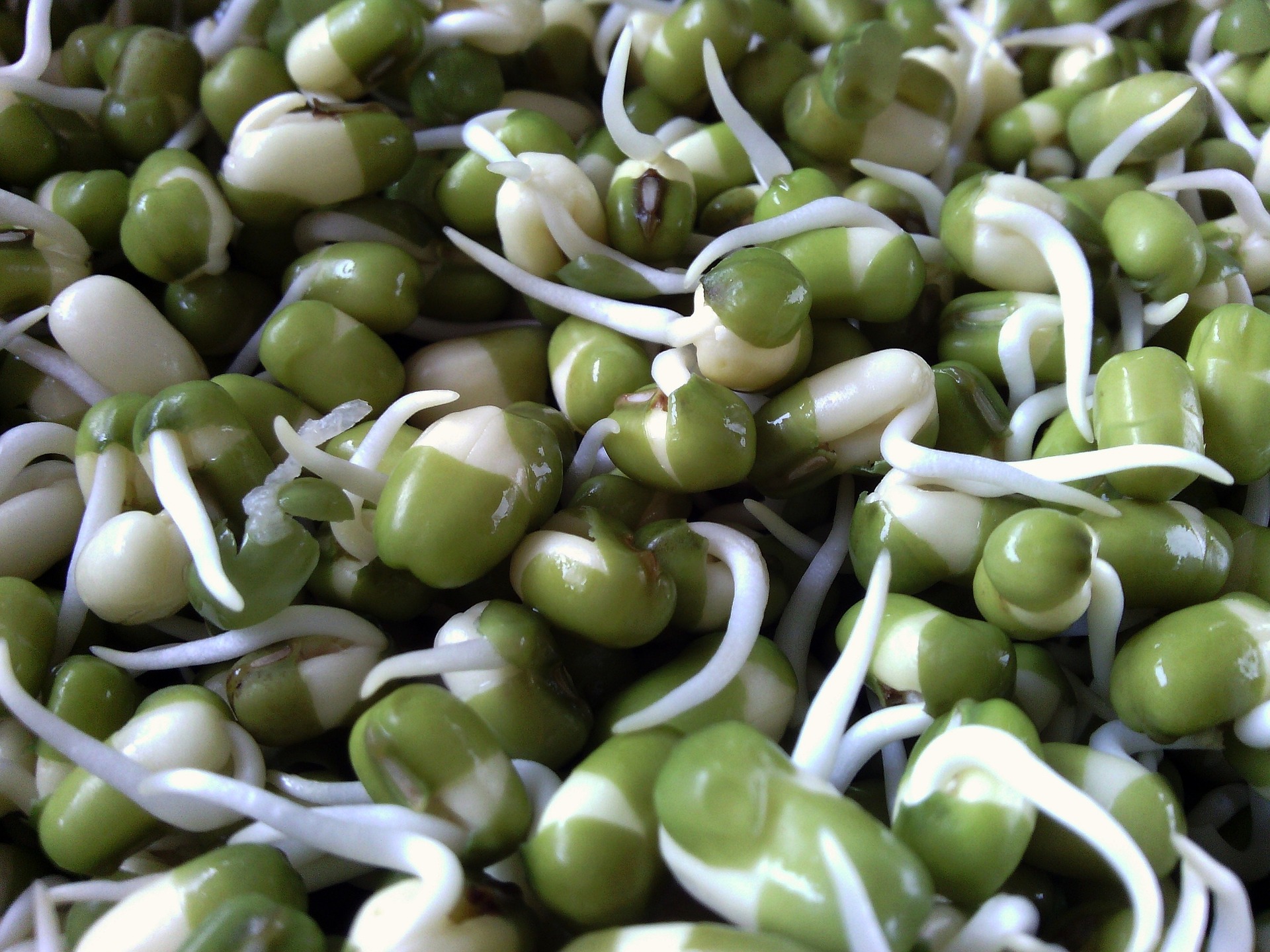
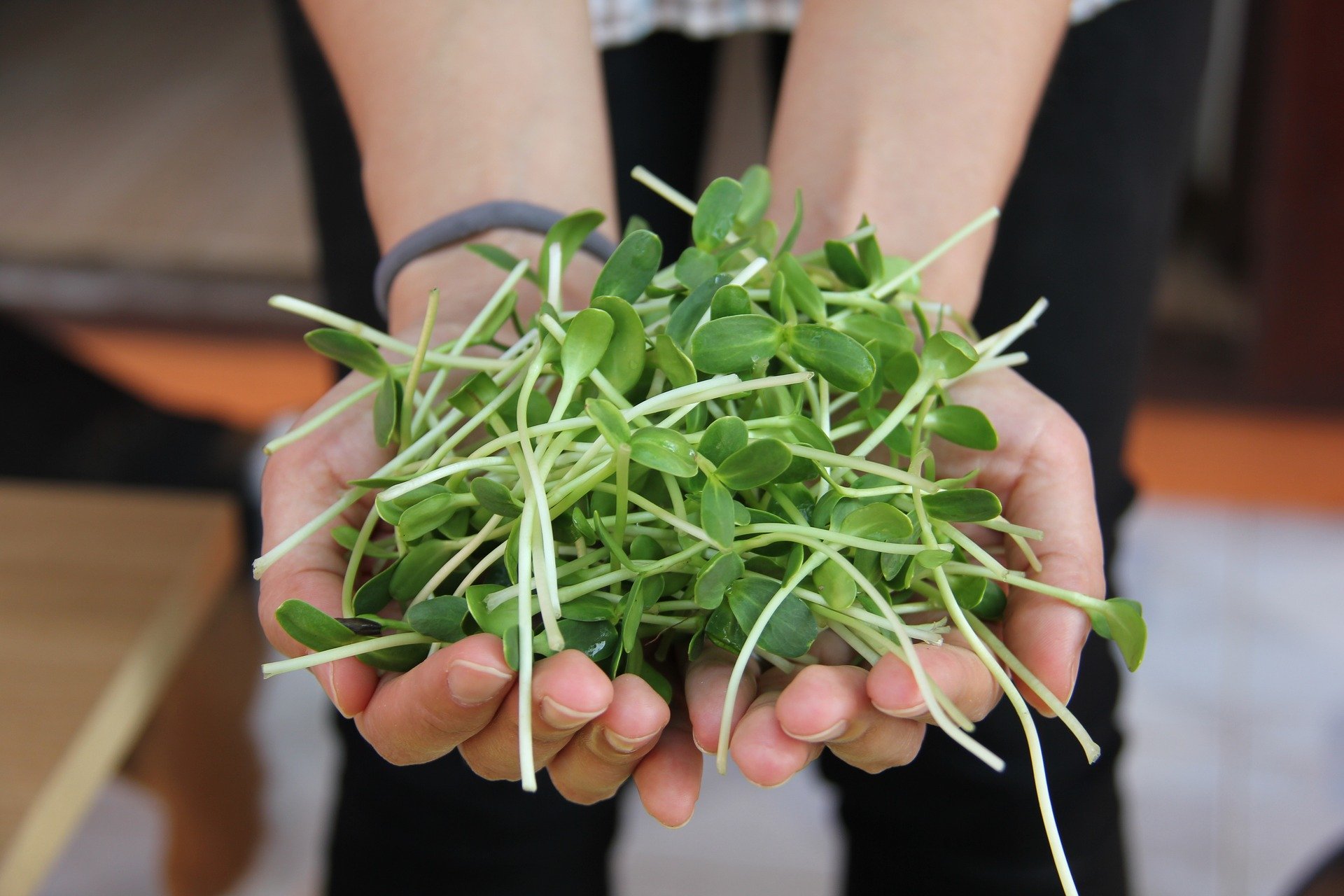
    When I think of sprouts, I think of the green, crunchy, squirmy little things on my Pho, on my Banh-Mi, on my sandwiches or in a salad. But, everyime I am about to eat them, I think twice. You may have also noticed that sprouts are rarely available at salad bars and grocery stores. And this is why the article is titled as it is – because of the irony that as delicious and healthy as raw sprouts are, they are also one the leading sources of foodborne illnesses. And, this is by no means a new problem, it has been occurring consistently for almost a decade. How and why? The answer to those questions lies in the way they are grown.

    Because sprouts germinate from seeds or beans, contaminated seeds or beans are what cause sprouts to be a food safety risk. And, there are several factors that could cause contamination, including, but not limited to:

    • Irrigation water in the fields
    • Animal Manure
    • Unsanitary hands handling the seeds and beans pre and post harvest
    • Pests
    • Unsanitary transportation conditions

    But, where the risk multiplies is with the growing conditions. The germination process for seeds and beans requires warm and moist conditions (Approx. 70F). Several harmful bacteria (Such as Salmonella and E.Coli) grow in the temperature ranges of 40-140F. This is known as the “temperature danger zone” (Defined by US FSIS [United States Food Safety and Inspection Services]) because in this temperature range, bacteria grow and multiply rapidly. So, the growth conditions for sprouts happen to be the optimal condition for bacteria to grow. So, all the places from which bacteria could have contaminated the seeds and beans (internally and externally) would grow extremely well during the germination process. This is a a very common production challenge. And, a lot of effort has been put in by the Federal Food and Drug Administration and other authorities to put into place practices and regulations for growers to follow and ensure safe sprout production. And yet, sprouts continue to remain a leading cause of foodborne illnesses globally.

    Why is this important to you? I believe that in general people overlook the safety aspect of consuming sprouts. Contaminated seeds and beans grow into contaminated sprouts with bacteria, that when eaten raw can result in foodborne illnesses. Trust me when I say that it does not take many bacterial cells to make you sick, especially if you belong to a “vulnerable population group” (Elderly, immuno-compromised, young, pregnant etc.)

    What does foodborne illness look like in this case? Diarrhea, abdominal cramps, nausea etc. NOT FUN! This can be fatal to the vulnerable population.

    Should I buy commercially grown sprouts? Yes and no. I personally am very wary of these and never buy sprouts. But, if you do, it is highly recommended not to consume them raw and instead to cook the sprouts prior to consumption to kill all the bacteria and reduce the risk of foodborne illness. Here are some things to keep in mind when buying commercially grown sprouts:

    • As always, avoid wilted sprouts, and choose crisp and fresher looking ones
    • Make sure that they are refrigerated at the store when you are buying them, and put them in the refrigerator as soon as you are home
    • If pre-packaged, use the sprouts much sooner than the by the “Best Before” (within 1-2 days of purchase)

    What is considered “cooking” the sprouts? The idea it to create enough heat to kill bacteria. So, while it is not required to cook the sprouts in boiling water (as that can destroy its palatability), I would suggest that they be cooked until they are steaming well. this ensures that enough heat has penetrated to kill as many bacteria as possible.

    What if I grow sprouts at home? There are a a lot of people who grow sprouts at home (including me). But not everyone is aware of the fact that it does not make them any safer, unless appropriate steps are taken to ensure safety.

    • Use seeds and beans are only meant for cooking or sprouting (There are also versions that are meant just for potting)
    • Wash hands properly when handling the seeds
    • Use only clean, potable water (preferably not tap, but filtered drinking water) to clean and irrigate the seeds, beans and sprouts
    • Wash the seeds and bean thoroughly under cold running water
    • Ensure that the sprouting containers are clean
    • Place the growing sprouts in a warm area away from other potential sources of raw foods contamination
    • Once sprouted, keep them refrigerated under 40F and consume as soon as possible (within 1-2 days of sprouting)

    Now, let’s address the elephant in the room. Are raw sprouts safe for consumption? For the most part, yes, only if you do not belong to the “vulnerable population group”. If not, it is highly recommended that the sprouts be cooked . In general, when in doubt, cook them.

    Sprouts have a plethora of health benefits that I would like to enjoy. As a food safety professional, if I say that I like my sprouts raw, I will get my hand slapped. But, I will still say that I enjoy both raw and cooked sprouts with the caveat that I prefer home grown sprouts than buying commercially grown sprouts or eating them at a restaurant. And this is important to note because I will not just eat sprouts anywhere, and I will not recommend anyone to do so either.

    In summary:

    • Avoid commercially grown sprouts available at grocery stores, as much as possible
    • Avoid, to the best of your ability, sprouts in a restaurant setting. Try ordering a meal without the sprouts
    • If you grow sprouts at home, just keep some simple tips in mind to prevent any contamination
  • Food Safety Basics

    What is Food Safety? Food safety is the practice of preparing, handling, storing and serving food in a manner that is free of contaminants and hazards, and is safe for consumption.

    Why is it important? Because it helps to prevent food borne illnesses.

    What are foodborne illnesses? When I was little and I ate something that resulted in a stomach ache, I remember my mother telling that it was a stomach infection and she would give me the appropriate antibiotic medicines to rid my body of the infection. As a food safety professional, I now realize that the stomach infection was a foodborne illness. So essentially, a foodborne illness is an illness that can result from eating food that is spoilt or contaminated with bacteria, virus, chemicals or toxins. Food borne illneses are more than just a “stomach infection” as they can become serious heath issues and a huge cost to society.

    It is important to have a basic understanding of the types of hazards that are present in the environment that can be introduced to food through various stages of production, both commercially and in a home setting. These hazards include:

    • Biological – Bacteria, virus, fungi etc. These are ubiquitous in nature and several of them are important for the functioning of the human body and nature in general. However, given the right conditions, certain strains of these organisms can get to our food, grow in them, release toxins and make us ill.
    • Chemical – These can be naturally occurring or can be process induced. Examples include pesticides residues, allergens, sanitizers etc. Chemical hazards can react with the body’s immune system or with other bodily functions and cause illness.
    • Physical – These can be anything ranging from broken pieces of crockery, small bones/shells, hair, stones, nails, plastic film etc. Several of these can lead to choking or internal bleeding, and therefore it is important to be observant in a home setting as well as in a restaurant setting.

    What do food safety professionals do?

    Food safety professionals either work for a food manufacturing company, for the government, consult with food manufacteres etc. to ensure the quality and safety of food supply. This food supply includes agricultural and packaged products all the way from harvesting, to formulation, processing, packaging, labeling and distribution to the store shelves.

    I practice what I preach. And yes, it drives my family crazy but that’s because it requires some knowledge, change and some extra due diligence. But I strongly believe that a few extra steps will help ensure the safety of the food we prepare and the health of our near and dear ones.